

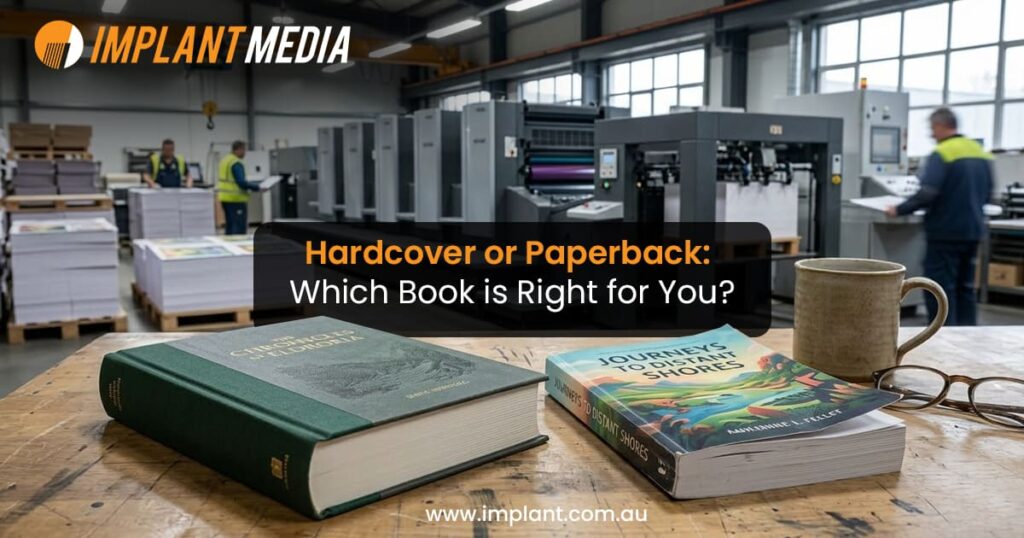
Even with the rise of eBooks and audiobooks, printed books continue to dominate the publishing industry, with over 70% of readers still preferring physical copies. Printed books remain a powerful medium for storytelling, education, and brand building.
If you are planning to publish a book, one of the most important decisions you will face is choosing between hardcover and paperback formats.
This choice goes beyond aesthetics—it directly impacts production costs, durability, pricing, and how your audience perceives your book.
In this guide, we will explore the key differences, advantages, and ideal use cases of hardcover and paperback books to help you make the right decision.
Understanding the Difference Between Hardcover and Paperback
Before you pick, it is good to know the basics. The whole hardcover versus paperback thing is often about how the book is made and what readers do with it.
Hardcover Books
These have tough covers made of thick cardboard covered in cloth, leather, or shiny paper. They are built to last a long time.
Stuff you see a lot:
- Strong covers.
- Good paper.
- Paper jackets to protect the book and show off the brand.
- A fancy feel.
Hardcovers usually come out first for big books, especially from big publishers.
Paperback Books
It is also called softcovers, these use bendy paper covers and lighter glue. They don’t cost as much to make and are easier to carry.
Main things:
- flexible cover.
- Lightweight.
- Cheaper to make.
- Costs less in stores.
Paperbacks are widely used for novels, schoolbooks, and everyday reading.
Why Hardcover Books Are Considered Premium
Hardcover books often make people think of quality and something that lasts. That’s why lots of publishers put out hardcovers first when they have a fresh title.
Toughness and How Long They Last
Hardcovers can take a beating and stick around for years if you treat them right. Libraries and serious readers usually like hardcovers for this reason.
For instance:
- Schoolbooks in libraries.
- Special versions of popular novels.
- Big coffee table books with pictures.
Because they are tough, hardcovers keep their shape and protect the pages better than paperbacks.
Great for Special Editions
Hardcovers are often for:
- Limited books.
- Photography books.
- Company books.
- Gift books.
Imagine a fancy book about traveling and taking pictures. The photos should be on nice paper with a strong cover that makes it look even better. This is where hardcover printing makes sense and it lets publishers make books that look amazing and grab your attention on the shelf.
Why Paperback Books Remain Popular
While hardcovers are tough, paperbacks sell more because they don’t cost a lot and are easy to get. Many bestselling novels achieve widespread success through paperback editions due to their affordability and accessibility
Lower Production Cost
Paperbacks use less stuff and simpler glue. This cuts down on printing costs a lot. Because of that:
- A writer putting out their first book might pick paperbacks to keep the price down.
- A training company printing how-to guides might go for paperback to hand out lots of copies without spending a ton.
That is why paperback printing is often the way to go when you’re printing large quantities of books to sell.
Portable and Reader-Friendly
Readers also like paperbacks because:
- They’re lighter.
- Easier to store.
- Better for traveling.
Picture someone reading a thriller on the train. A light paperback fits in a bag easily, which is way better than lugging around a heavy hardcover.
Market Trends in Book Publishing
Knowing what is popular can help you pick a format. Here is what the numbers say:
- Paperbacks sell more than half of all printed books around the world.
- Hardcovers are usually the first to come out and are for collectors.
- School and learning books are split between both, depending on how tough they need to be.
Lots of publishers do both formats.
- A new novel launches as a hardcover edition for collectors and early buyers.
- After several months, a paperback version is released at a lower price for mass readers.
This strategy allows publishers to reach multiple audience segments.
Difference Between Hardcover and Paperback Books
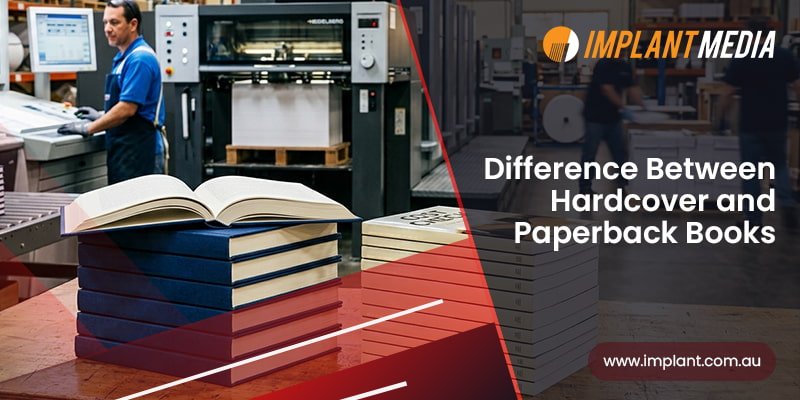
When choosing between hardcover and paperback books, several key factors come into play, including cost, durability, and target audience. The table below highlights the main differences to help you make an informed decision.
| Feature | Hardcover | Paperback |
|---|---|---|
| Production Cost | Higher | Lower |
| Retail Price | Premium | Affordable |
| Durability | Very high | Moderate |
| Weight | Heavier | Lightweight |
| Audience | Collectors, libraries | Mass readers |
When to Choose Hardcover for Your Book
Certain types of books benefit more from hardcover formats.
Photography and Art Books:
Awesome pictures need good pages and strong glue that keeps them safe.
Collector Items:
Fans often want hardcover versions of popular novels because they feel more special.
Company and Brand Books:
Companies putting out stories about their brand, yearly reports, or special books often pick hardcover to look professional.
Example: A fancy hotel chain putting out a book about its history and style might go for hardcover to show off how high-end they are.
When Paperback Is the Better Option
Whatever format you pick, finding the right printer is super important.
Good printing places have:
- Different paper options.
- Custom glue.
- Cover tricks.
- Print-on-demand or big print runs.
Reliable book printing services in Australia like Implant Media often provide consultation to help authors and publishers choose the best format for their specific project. For instance, a kids’ book publisher might want thick paper and bright colors, while a business book might want cheap paperback printing. Working with experienced printers makes sure your book looks like you want it to.
Final Thoughts
Choosing between hardcover and paperback ultimately depends on your goals, audience, and budget. While hardcover books offer durability and a premium feel, paperbacks provide affordability and wider distribution.
For the best results, many publishers adopt a hybrid approach—launching in hardcover first, followed by a paperback edition.
If you’re ready to bring your book to life, partnering with a professional book printing service can make all the difference. Implant Media offers high-quality book printing solutions in Australia, helping authors and businesses produce books that stand out in both design and durability.